Find the perfect AI tool for any task
We compare AI tools for writing, code, and images — based on public benchmarks and hands-on testing by our editors.
Find AI tools by task
Writing, code, images, video, and more — jump straight to the shortlist that matches what you’re trying to do.
Ranked by capabilities, quality, and price
The tools our editors keep coming back to, broken down by what you’re trying to build.
Popular comparisons
Latest articles
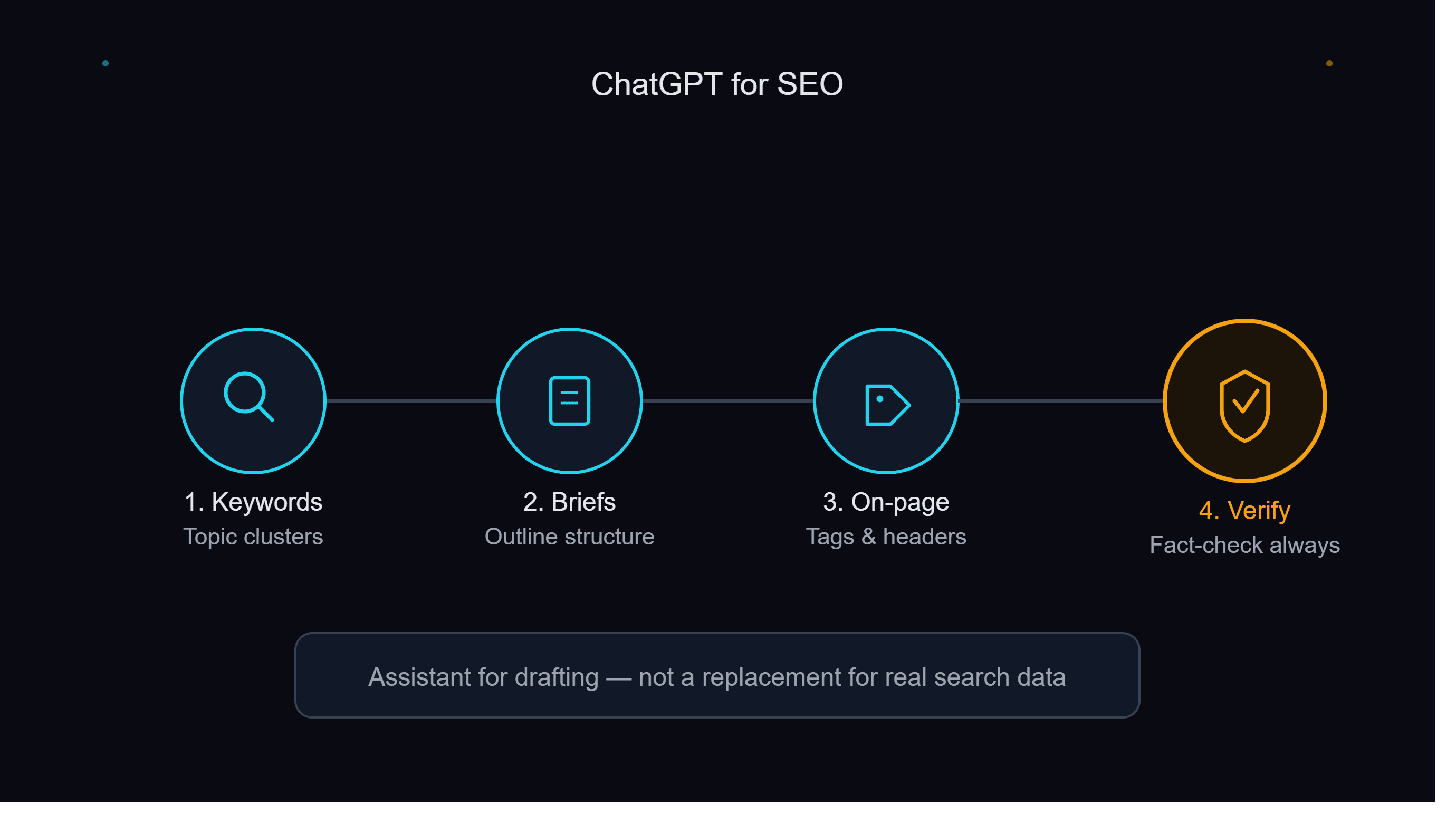
A step-by-step approach to using ChatGPT for keyword research, content briefs, and on-page SEO.
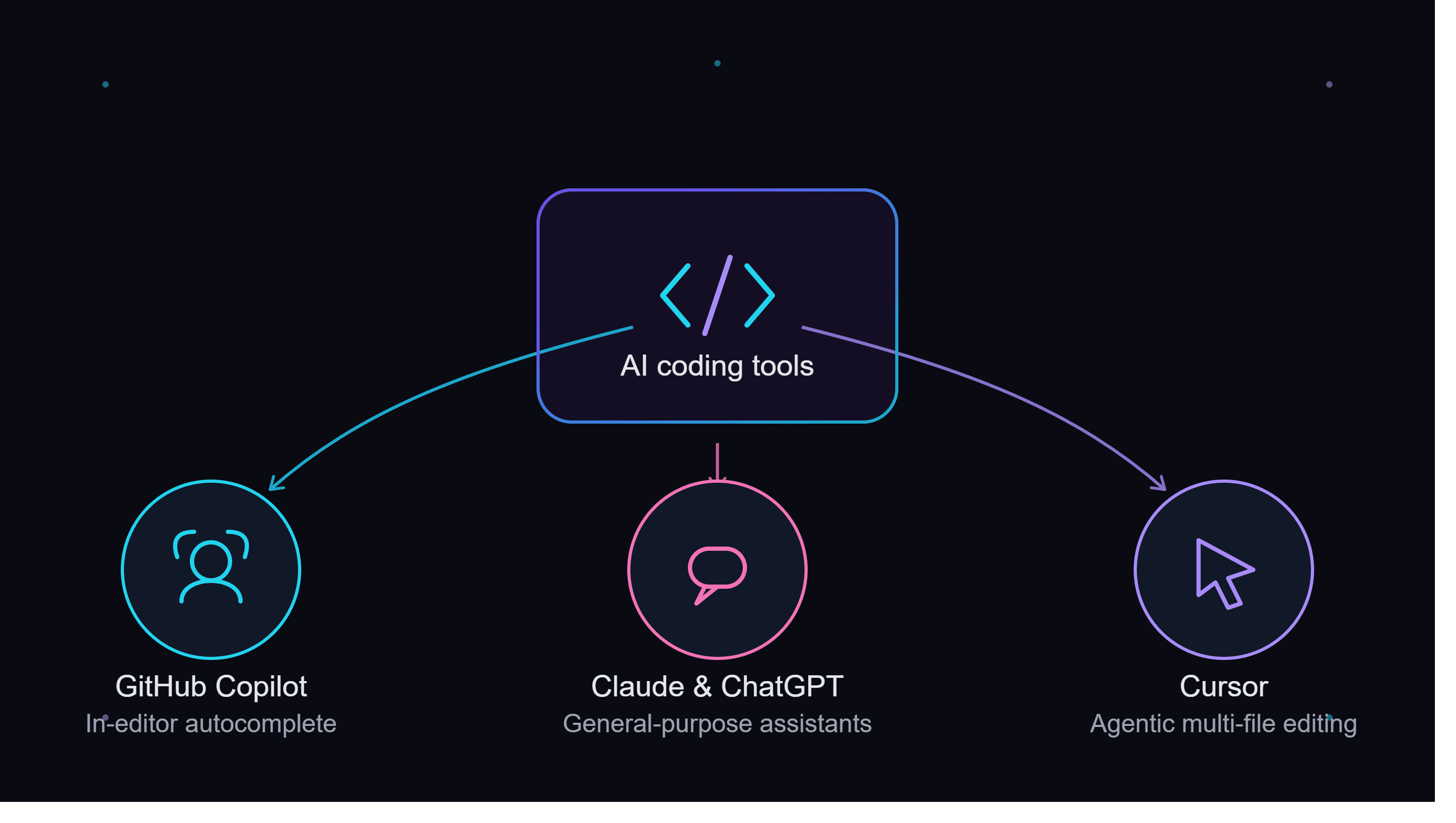
From inline autocomplete to full agentic editors — the best AI coding tools we've tested.
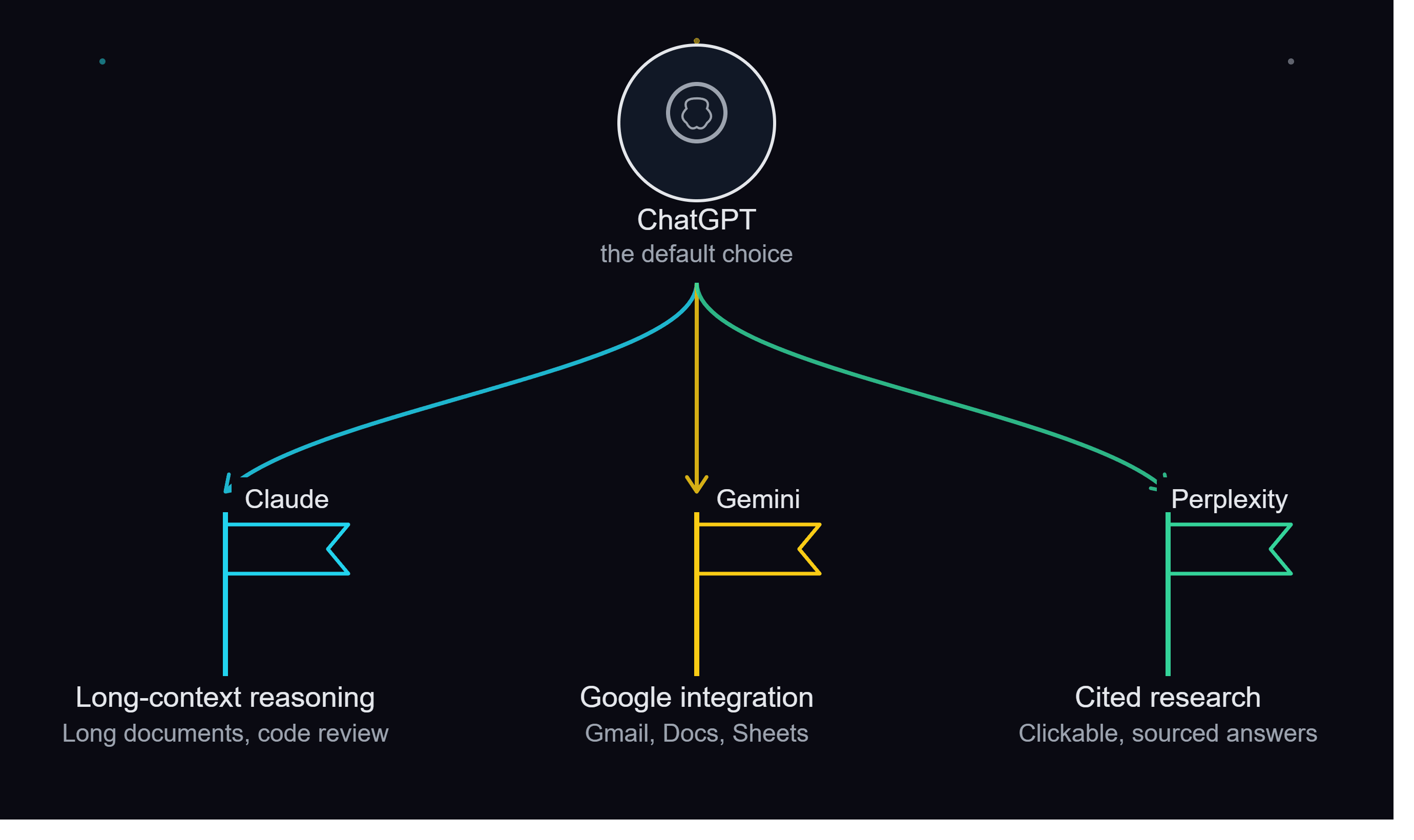
Looking beyond ChatGPT? Here are the strongest alternatives for chat, research, and coding.
How to Choose the Right AI Tool
Picking an AI tool used to mean trying whatever showed up first in a search, but that stopped being good advice around the time every category from writing to coding to image generation filled up with a dozen credible options. This section is here to help you translate the ratings above into a decision that actually fits what you are trying to do, rather than defaulting to whichever name is most famous.
Match the Tool to the Actual Task
A general-purpose chatbot and a specialized coding assistant are not competing for the same job, even when both are technically "AI tools." If you need help drafting emails, summarizing documents, or brainstorming, a strong general model covers you well. If you are generating production code, a tool built specifically for that, with IDE integration and codebase context, will consistently outperform a general chatbot pasted into a browser tab. Start from the task, not the tool's popularity.
Weigh Quality Against Ease of Use
Every tool on this site clears a reasonable capability bar, or it would not be here. Where they actually diverge for most people is how much friction sits between you and a useful result. A slightly more capable tool that takes twenty minutes to configure is often a worse choice for daily use than a slightly less capable one you can start using in thirty seconds, unless the task is important enough to justify the setup time.
Free vs. Paid Is a Real Decision, Not a Trap
A genuinely usable free tier, the kind we specifically look for in our free-tools coverage, is not a stripped-down trap; it is a real way to get value without paying anything, provided your usage stays within its limits. Paid tiers buy you higher usage caps, priority access during peak load, and features like larger context windows or API access. If your use is occasional, a free tier can be a completely reasonable long-term choice, not just a trial before you inevitably pay.
Check the Actual Usage Limits, Not Just the Price
The advertised starting price on an AI tool's pricing page rarely tells the whole story. What matters more is what you actually get for it: how many generations, how much context, how many API calls, before you hit a wall or get throttled. A ten-dollar plan with generous limits can be a better deal than a five-dollar plan that runs out halfway through a normal week of use, and reviews on this site call out limits specifically for exactly this reason.
API Access Matters More Than It Looks
If you are building something rather than just using a tool interactively, API access and how well-documented it is can matter more than the consumer-facing interface entirely. Some tools with unremarkable web apps have excellent APIs, and vice versa. Check the API access and pricing details in each review if programmatic use is part of your plan, since consumer pricing pages often bury or omit this information.
Read Past the Headline Score
A score of 8.6 versus 8.3 is a real difference, but a small one in practical terms, and either tool will likely serve you well for typical tasks. Where the gap matters more is at the extremes, and in the specific criterion breakdown rather than the overall number: two tools with similar overall scores can differ sharply on ease of use or price while being nearly identical on raw capability, and which of those trade-offs matters to you is a better guide than the headline number alone.
If you want more targeted advice than the general rating, jump into a specific category below: the best tool for a solo content creator on a tight budget is a different answer than the best tool for a development team that needs API access and enterprise support, and the difference is bigger than a single ranking can capture.