News, Guides & Comparisons on AI Tools
We test AI tools, compare them head to head, and explain how to get the most out of them.
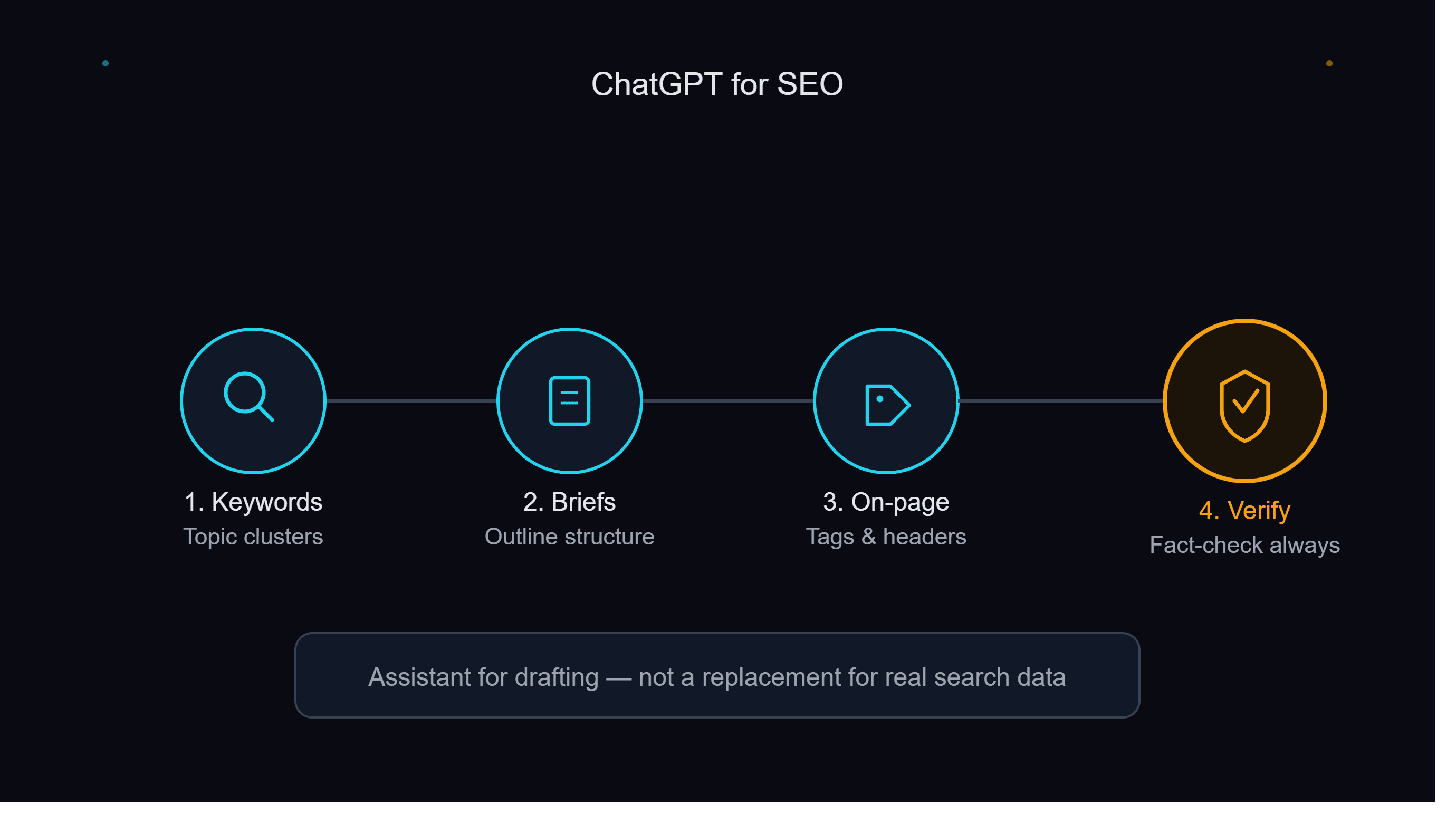
A step-by-step approach to using ChatGPT for keyword research, content briefs, and on-page SEO.
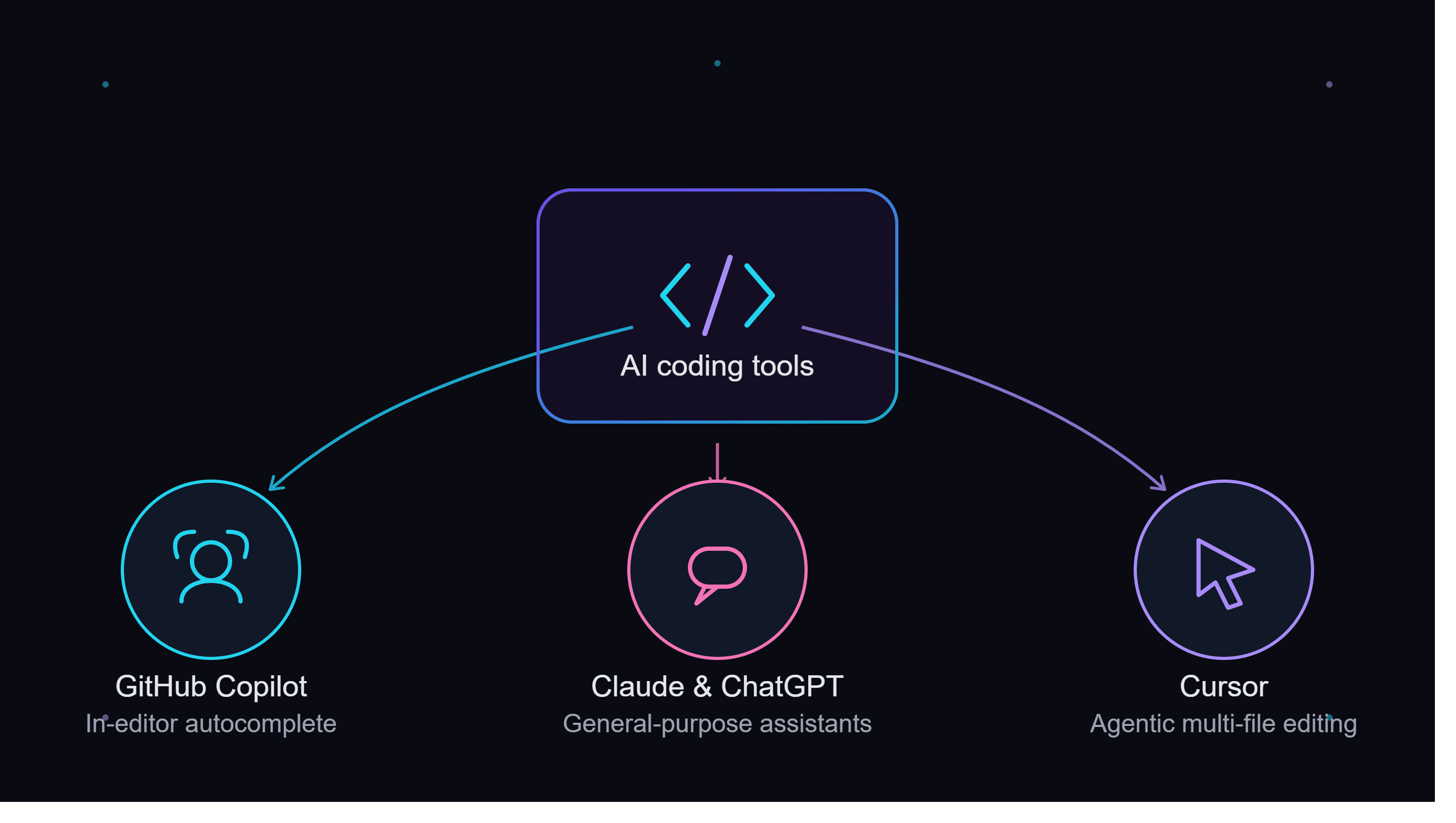
From inline autocomplete to full agentic editors — the best AI coding tools we've tested.
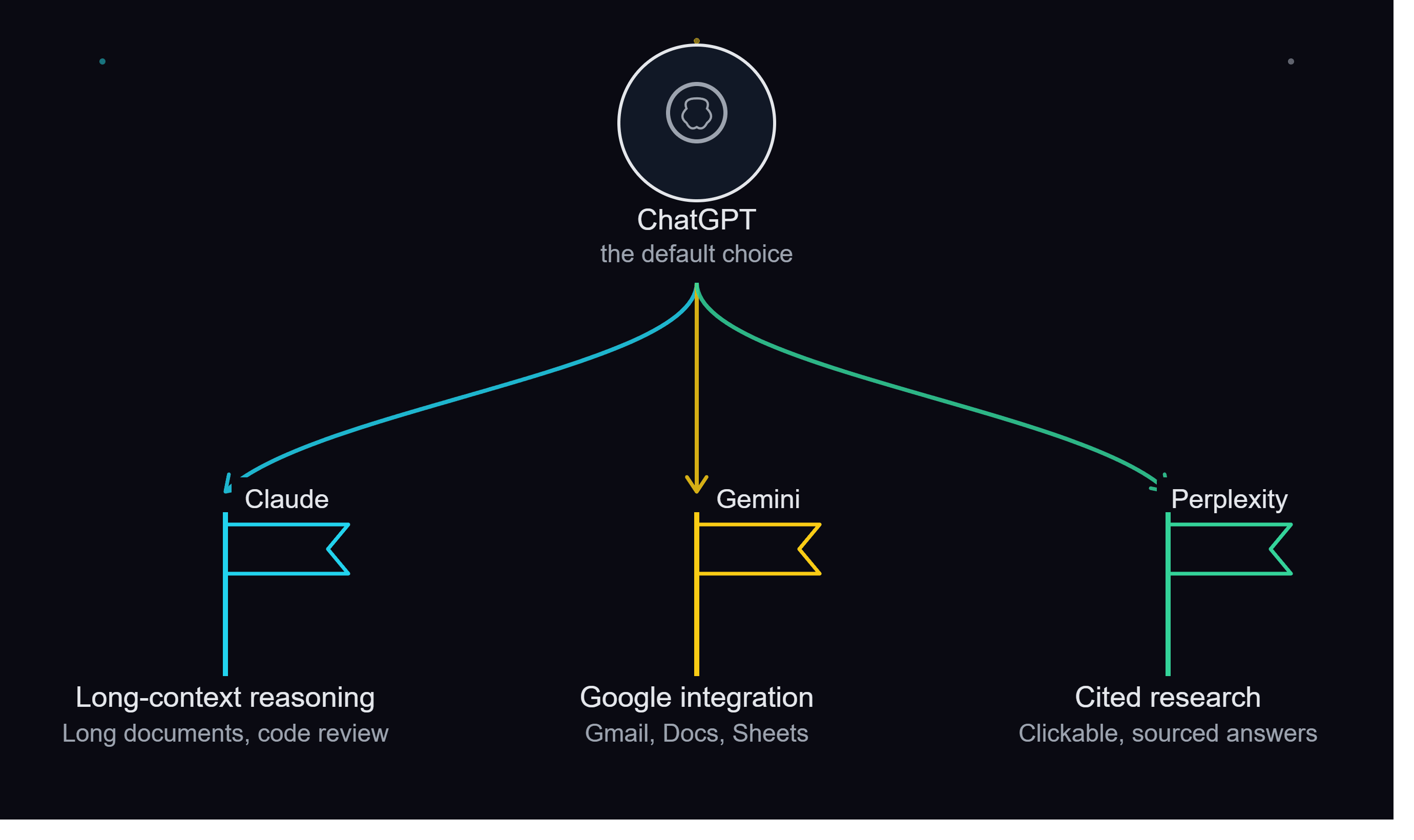
Looking beyond ChatGPT? Here are the strongest alternatives for chat, research, and coding.
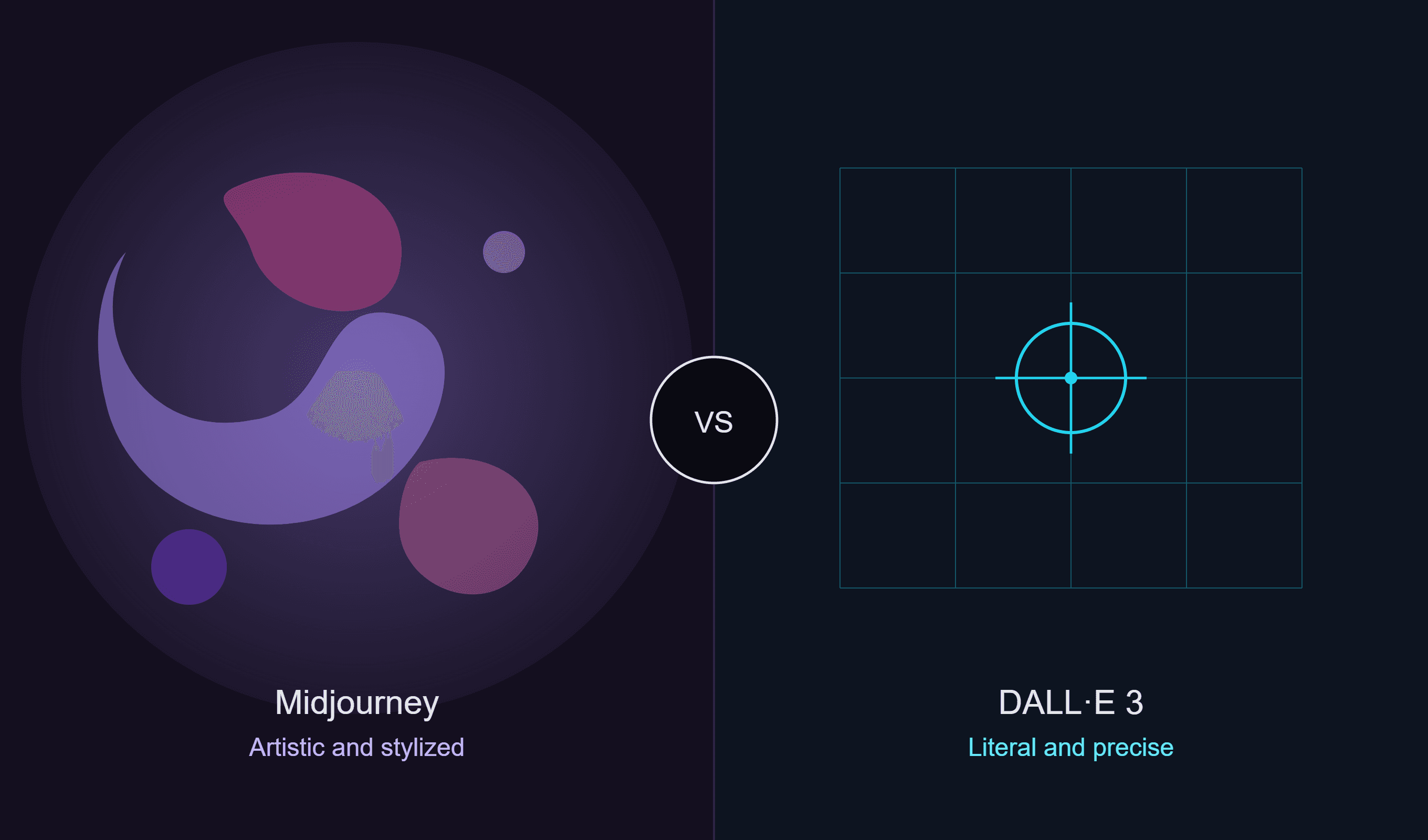
Artistic style versus literal prompt accuracy — how Midjourney and DALL-E 3 actually compare.
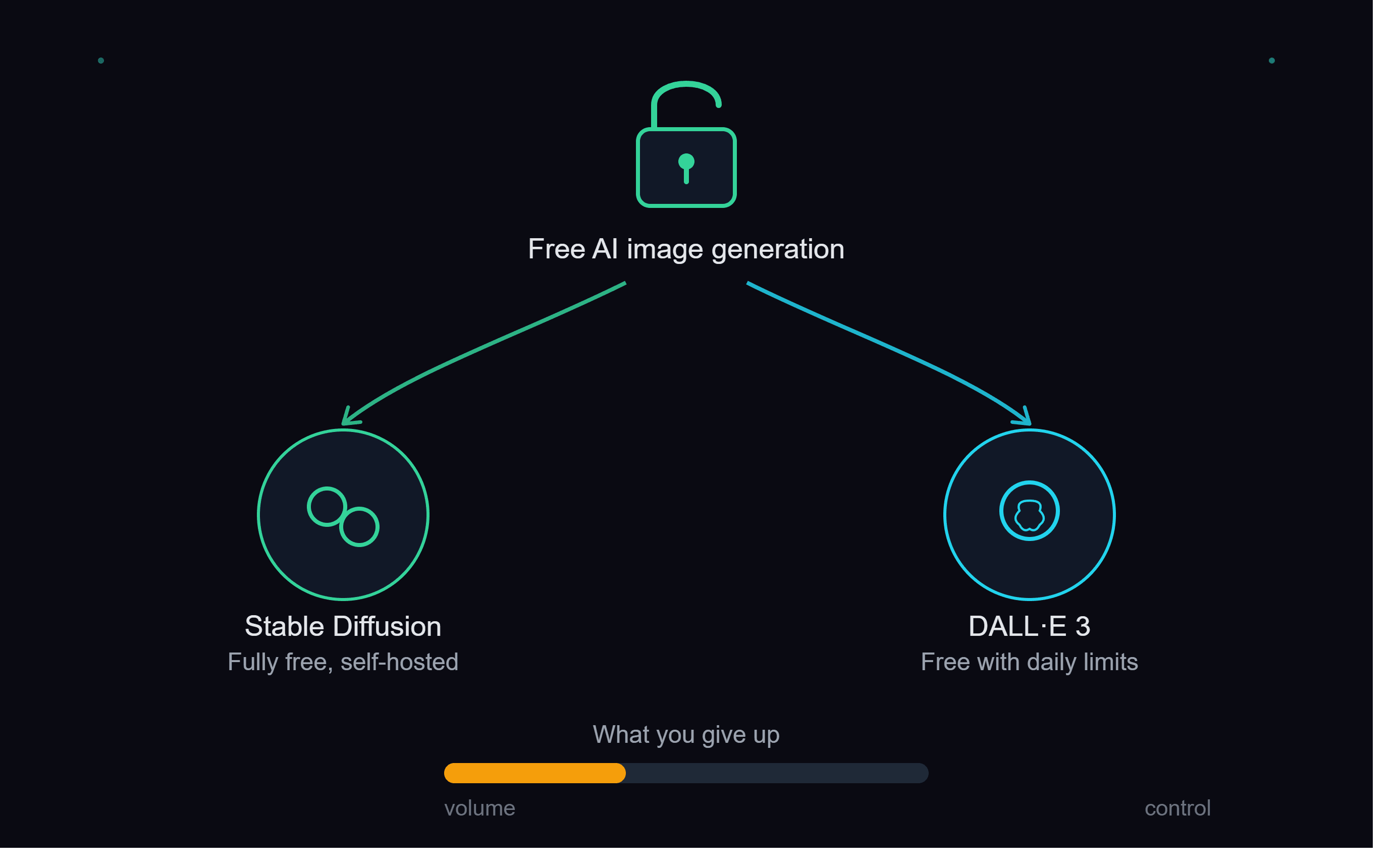
The best ways to generate AI images without paying — including one fully open-source option.
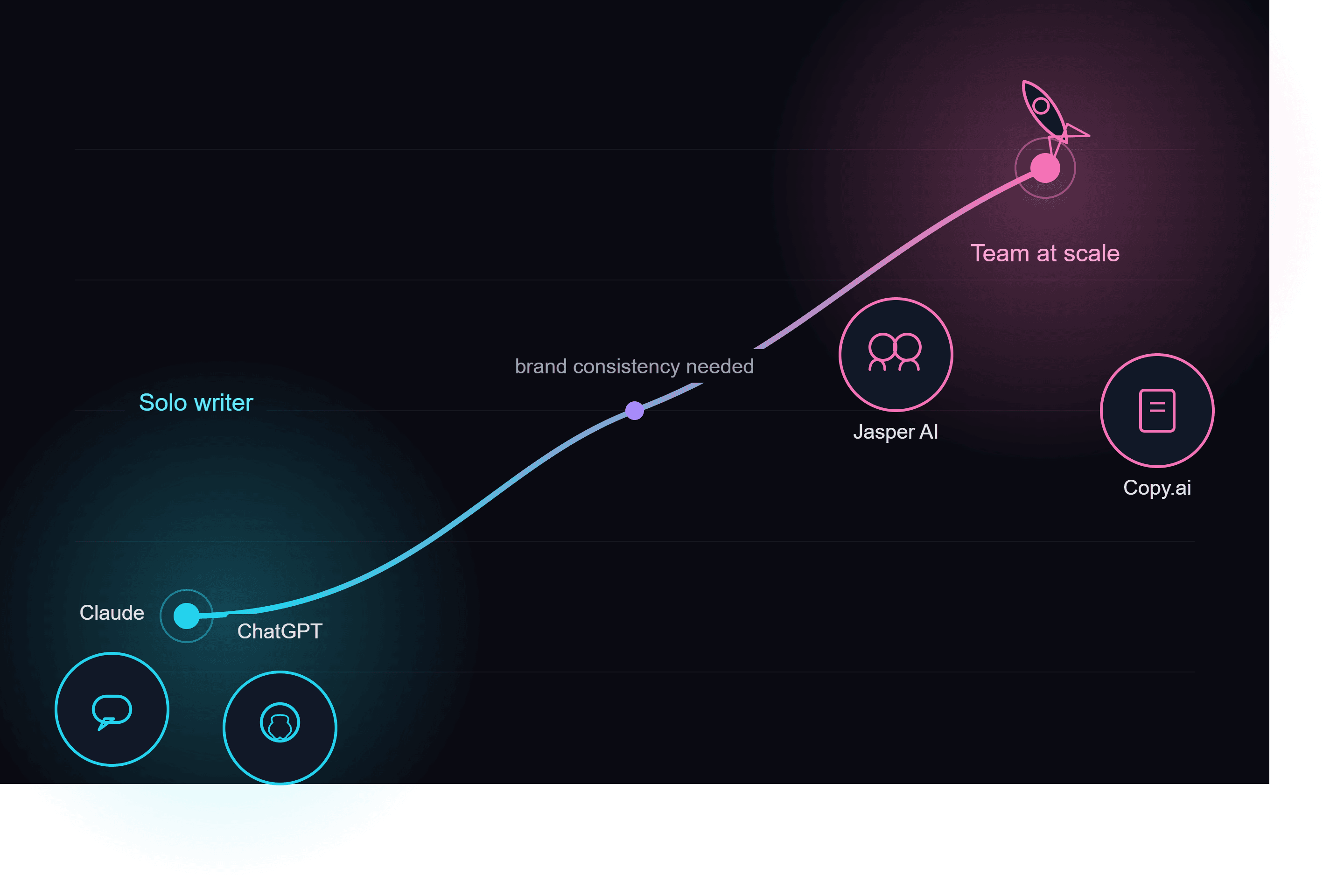
From general-purpose chatbots to dedicated marketing copy platforms — the best AI writing tools for every budget.
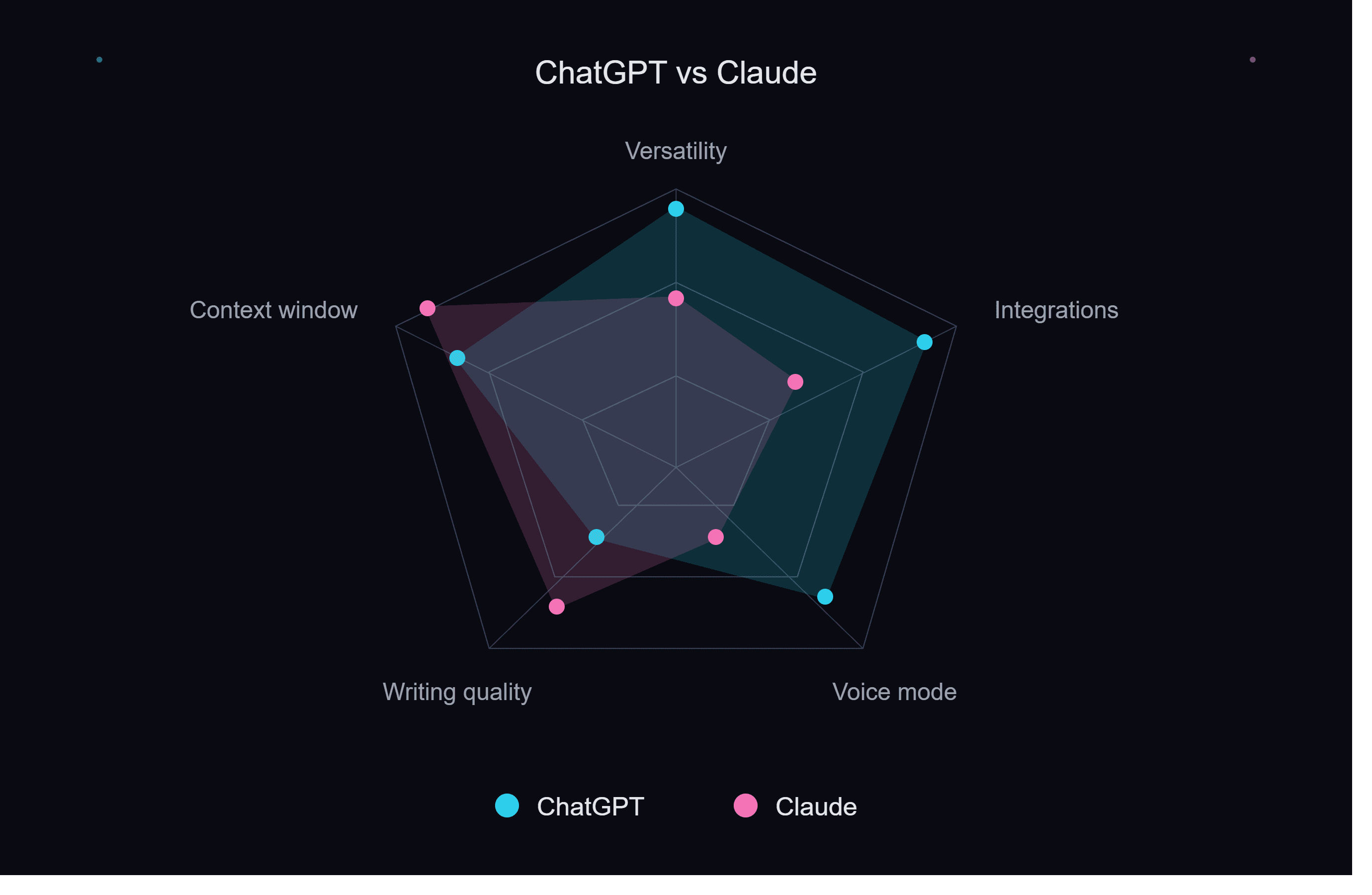
We compare ChatGPT and Claude on reasoning, writing quality, coding, and price to help you pick one.
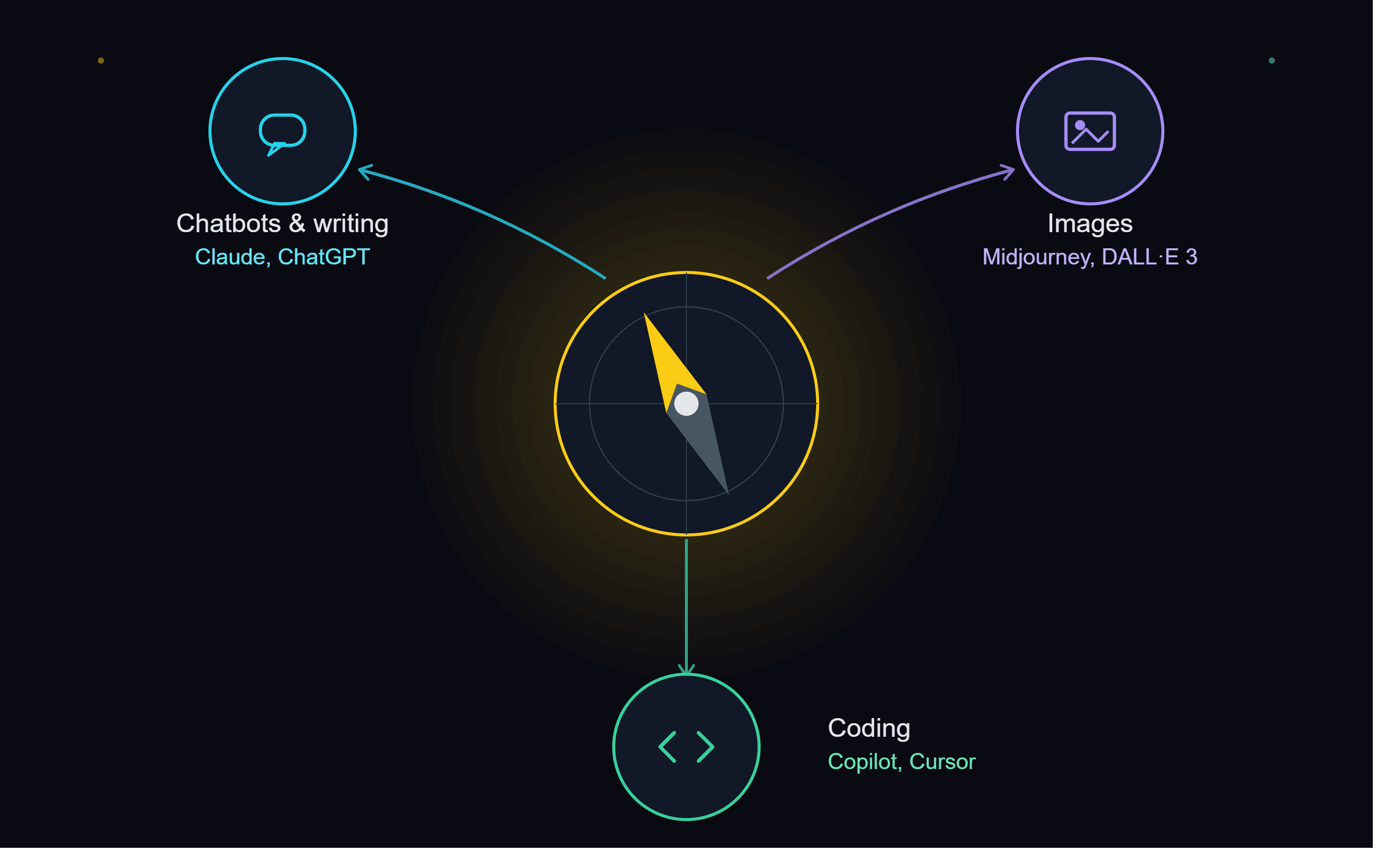
Our picks for the best AI tools across writing, images, video, code, and more — and how we tested them.
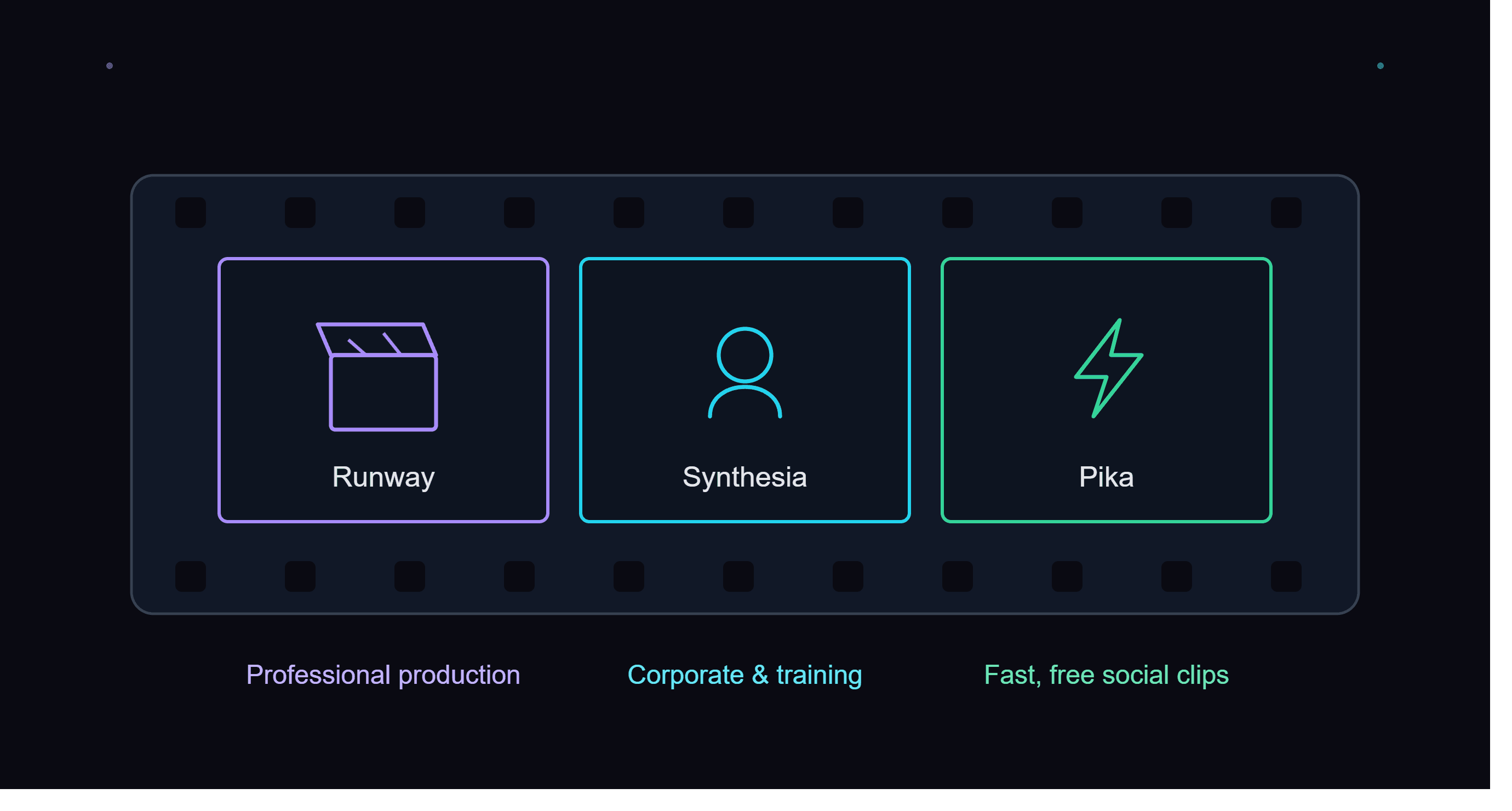
From professional production tools to fast, free social clips — the best AI video generators compared.
What You'll Find on Our Blog
Our reviews and comparisons answer "which tool should I use," while the blog exists to answer the questions that come before and after that decision: how to actually get good results out of a tool you already use, what a confusing new AI term actually means, and whether a specific viral claim about a model's capabilities holds up. If a topic needs more than a paragraph to explain properly, it usually ends up here rather than buried inside a review.
Guides vs. Reviews vs. Explainers
We tag articles by type so you can find what you are looking for quickly. Guides walk through a specific task, like using a tool for a particular workflow or getting more out of its advanced features. Reviews on the blog cover individual tools in long-form, often expanding on what fits in the structured review format on a dedicated review page. Explainers cover a concept, like context windows or fine-tuning, without recommending a specific tool at all, aimed at readers who want to understand something rather than buy something.
How We Pick What to Write About
Topics come from three places: questions we get repeatedly through our Contact page, gaps we notice while writing reviews where a reader would benefit from more background than fits in a review's word count, and genuinely new developments in AI tools worth explaining in plain language. We do not write filler content built around trending keywords with nothing new to say; if a topic has already been covered well elsewhere and we have nothing to add, we skip it.
Editorial Standards on the Blog
The same independence rules from our Disclosure page apply here. A guide comparing a free tool to a paid alternative is not secretly written to push you toward a specific vendor, and an explainer about a new model release is not an excuse to work in an affiliate link that does not genuinely belong there. Where a blog post does recommend a specific tool, that recommendation traces back to the same testing and scoring used everywhere else on the site.
How Often We Publish
We publish when we have something worth reading, not on a fixed weekly schedule padded out with thin content. Expect new guides and explainers most consistently around major model releases or significant product updates from the vendors we cover, alongside a steady baseline of evergreen guides we revisit and update as the tools they describe change.
How to Suggest a Topic
If there is a question about AI tools you have not found a clear, non-technical answer to anywhere, or a specific claim from the news you want checked, our Contact page is the right place to send it. We cannot promise every suggestion becomes an article, but reader questions are consistently the best source of topics that turn into guides people actually search for and find useful.
Older Articles and Accuracy
AI tools and the models behind them change quickly, so an explainer written a year ago about a specific model's limitations may describe something a newer release has since fixed, while a guide about a specific tool's interface can go stale the moment that vendor redesigns its app. We date every article and revisit the ones most likely to go stale, but if you are reading something older and a detail seems off, treat the Contact correction path as open for blog content too, not just reviews.
Guides That Age Well vs. Guides That Don't
We try to write explainers around concepts, like how context windows work or what fine-tuning actually changes, since those age far better than a guide built entirely around one tool's current interface. Where a guide does need to reference specific menus or buttons, we note the date so you know how much to trust the exact steps versus the underlying idea.